For the radio advert my involvement was directly editing the whole advert together. Out of our group I was the only one to have any prior experience using Audition so took charge of putting the advert together. By using the audio the others recorded, as well as sound effects and a soundbed, I was able to put together an advert that we all felt targeted our preferred audience. The target audience we had in mind was that of secondary school kids, around the age of 15. We understood that there’s not a lot of kids that age that listen to the radio, so the best way we thought to target them would be to have a sense of humour in our advert. This was achieved by adding sound effects that could best be described as “childish” in the sense that they were silly and were designed more to make you laugh. Combined with the soundbed of the advert which had a very serious undertone to it and then all of a sudden you get this farting noise in between part of the audio. This was how we implemented our humour into our advert.
Radio Advert:
Video Advert Contributions:
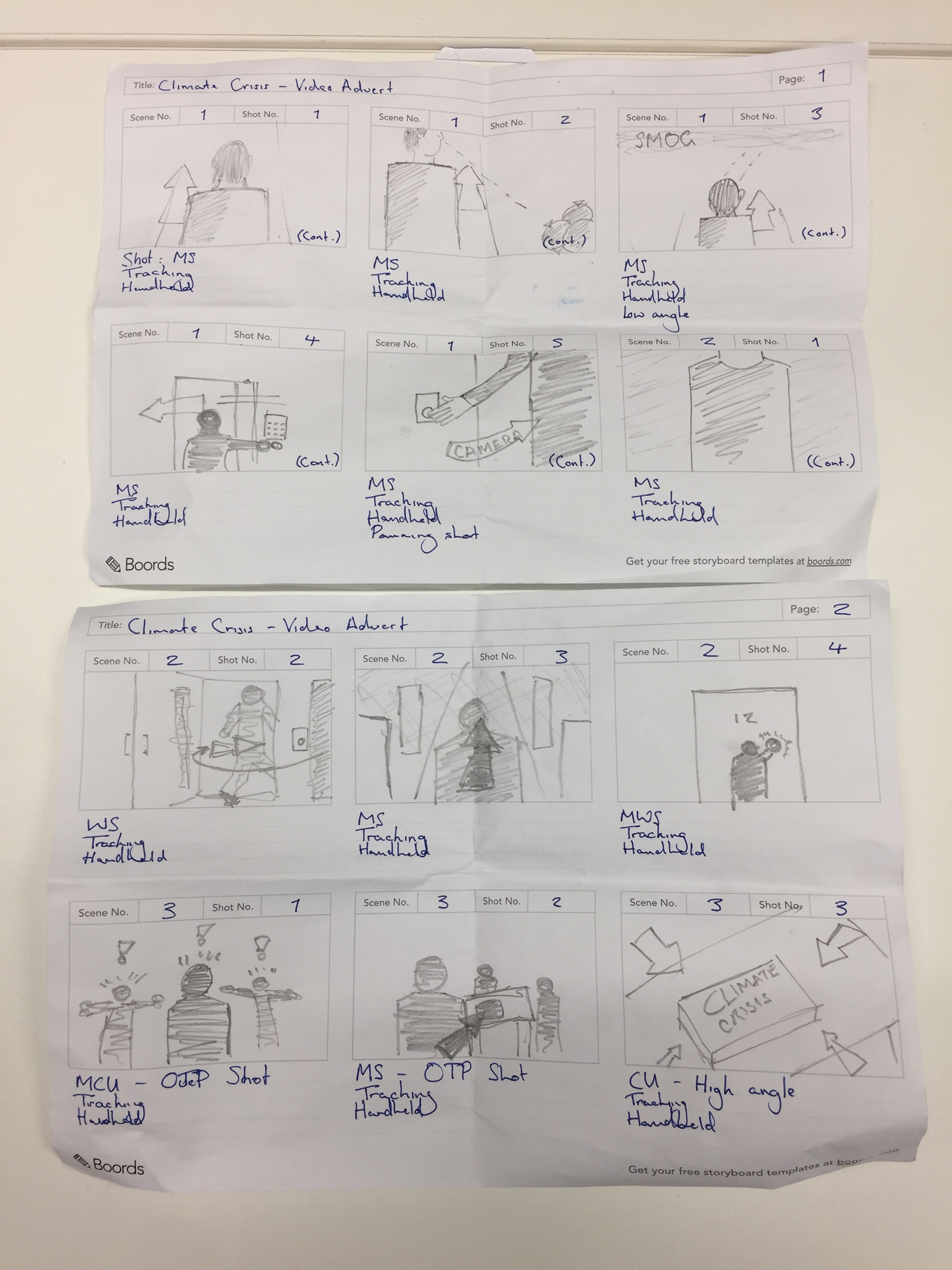
Chief camera man/operator was my main role for this task and I believe I did well in this role. My job was simple for this task, listen to what the director (Iwan) wanted from me and stick to it. Simply put, I had to keep the camera steady and make sure that I kept up the pace when rolling otherwise I wouldn’t get the shot(s) we wanted. Our filming spanned over the course of both the workshops in week seven but we got our footage all captured with plenty of time left. As well as being chief camera man/operator for filming, I also started the process of editing the video. I spent the remainder of the time in our final workshop uploading our footage to the computer and making a start on editing. I also spent some time outside of lesson finishing off the editing before we came to an agreement and felt happy with what we had. At the beginning of the final week though we all took a final look at what we had, and decided to make a few changes regarding colour saturation before coming to an agreement again, felling happy with our finished video.
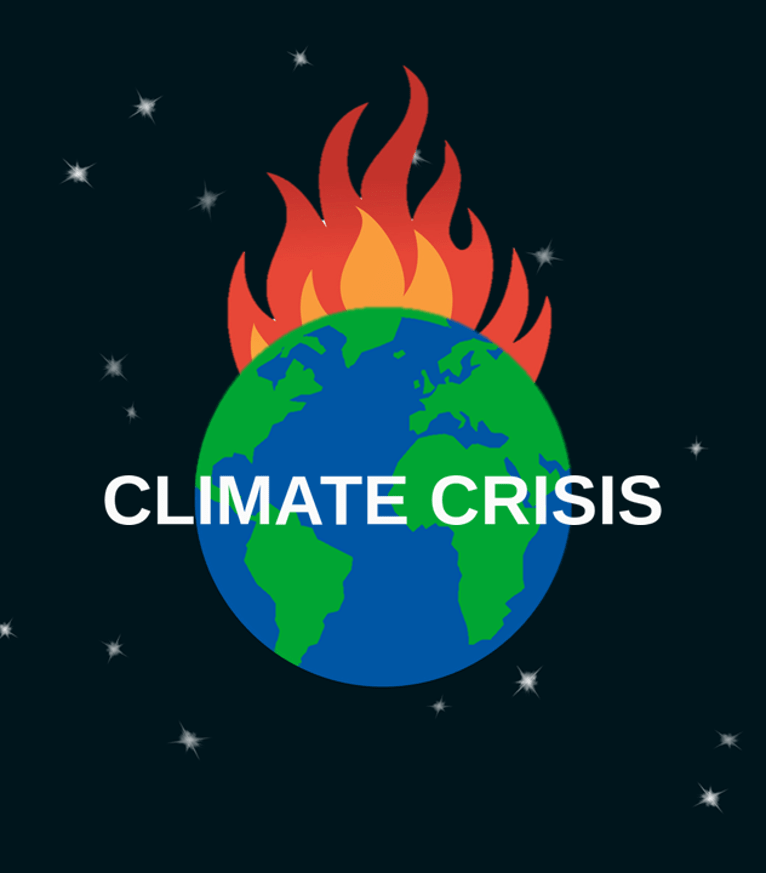
Below is the company logo I designed for my solo task using Adobe Photoshop. There is also a link to a document to accompany this that explains what I did at certain stages and why I made some of the decisions I made.
At the very beginning of the module, I carried out some research into and around climate change in order to gain a greater understanding of the area as a whole. This research played a pivotal part in our groups understanding of climate change and ultimately helped us progress towards an idea for a climate change board game.
NASA:
In the last 650’000 years there have been seven cycles of glacial advance and retreat, with the abrupt end of the Ice Age around 7’000 years ago. This marked the beginning of the modern climate era – and end of human civilisation. Most of these climate changes are attributed to very small variations in Earth’s orbit that can change the amount of solar energy the planet receives.
“SCIENTIFIC EVIDENCE FOR WARMING OF THE CLIMATE SYSTEM IS UNEQUIVOCAL” – Intergovernmental Panel on Climate Change
The Planets’ surface temperature has risen around 1.62*F since the late 19th Century, a change driven largely by increased carbon dioxide and other human made emissions into the atmosphere. Most of the warming has occurred in the last 35 years with the five warmest years on record taking place since 2010.
IPCC was created to provide policymakers with regular scientific assessments on climate change. It’s implications and potential future risks, as well as to put forward adaption and mitigation options.
Through assessments, the IPCC determines the state of knowledge on climate change. It identifies where the agreement in the scientific community on topics related to climate change, and where further research is needed. The assessment reports are a key input into the international negotiations to tackle climate change.
The IPCC reports about the state of scientific, technical and socio-economic knowledge on climate change, it’s impacts and future risks and options for reducing the rate at which climate change is taking place.
Greenhouse gases occur naturally and are essential to the survival of humans and millions of other living things, by keeping some of the Sun’s warmth from reflecting back into space and making Earth liveable.
Fifth Assessment Report:
The report provides a comprehensive assessment of sea level rise and its causes over the past few decades. It also estimates cumulative CO2 emissions since pre-industrial times and provides a CO2 budget for future emissions to limit warming to less than 2*C. About half of this maximum amount was already emitted by 2011.
It found:
– From 1880 to 2012, the average global temperature rose by 0.85*C
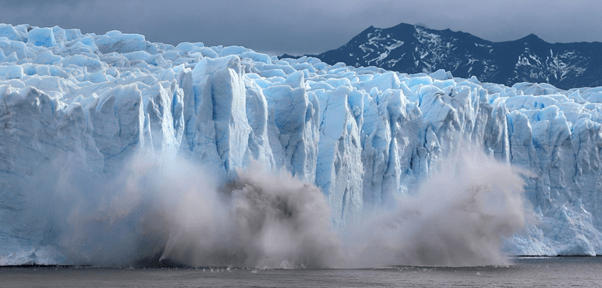
– From 1901 to 2010, the global average sea level rose by 19cm as oceans expanded due to warming and melting of the ice caps
Global warming is likely to be the greatest cause of species extinctions in this century. The IPCC says a 1.5*C average rise may put 20-30% of species at risk of extinction. If the planet warms by more than 2*C, most ecosystems will struggle.
Many of the worlds threatened species live in areas that will be severely affected by Climate Change. Climate Change is happening too quickly for many species to adapt to.
Example:
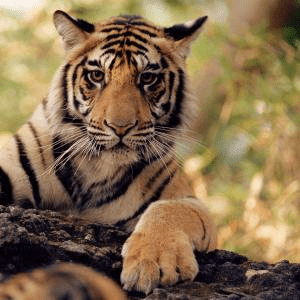
Tigers – Numbers in the wild have declined to as few as 3’200 largely due to poaching and habitat loss. Climate Change is likely to result in increasing sea levels and further risk of fire in the already fragmented habitats where Tigers live.
Climate Change threatens the essential ingredients of good health – clean air, safe drinking water, nutritious food supply and safe shelter – and has the potential to undermine decades of progress in global health.
Between 2030 and 2050, Climate Change is expected to cause approximately 250’000 additional deaths per year, from nutrition, malaria, diarrhoea and heat stress alone. The direct damage costs to health is estimated to be between $2-4bn per year by 2030.
Reducing emissions of greenhouse gases through better transport, food and energy-use choices can result in improved health, particularly through reduced air pollution. The Paris Climate agreement is therefore potentially the strongest health agreement of this century. WHO supports countries in assessing the health gains that would result from the implementation of the existing Nationally Determined Contributions to the Paris agreement and the potential for larger gains from more ambitious climate action.
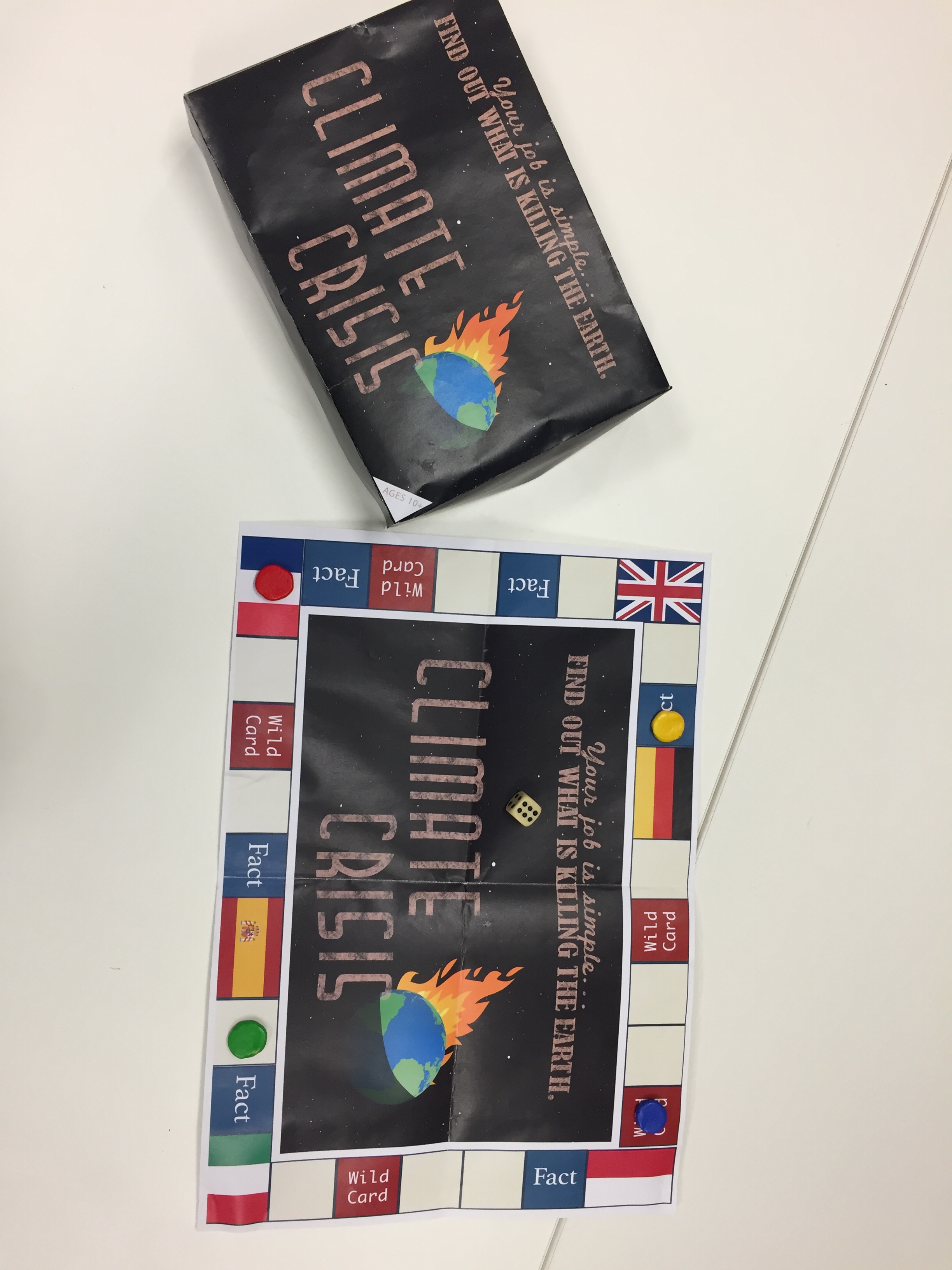
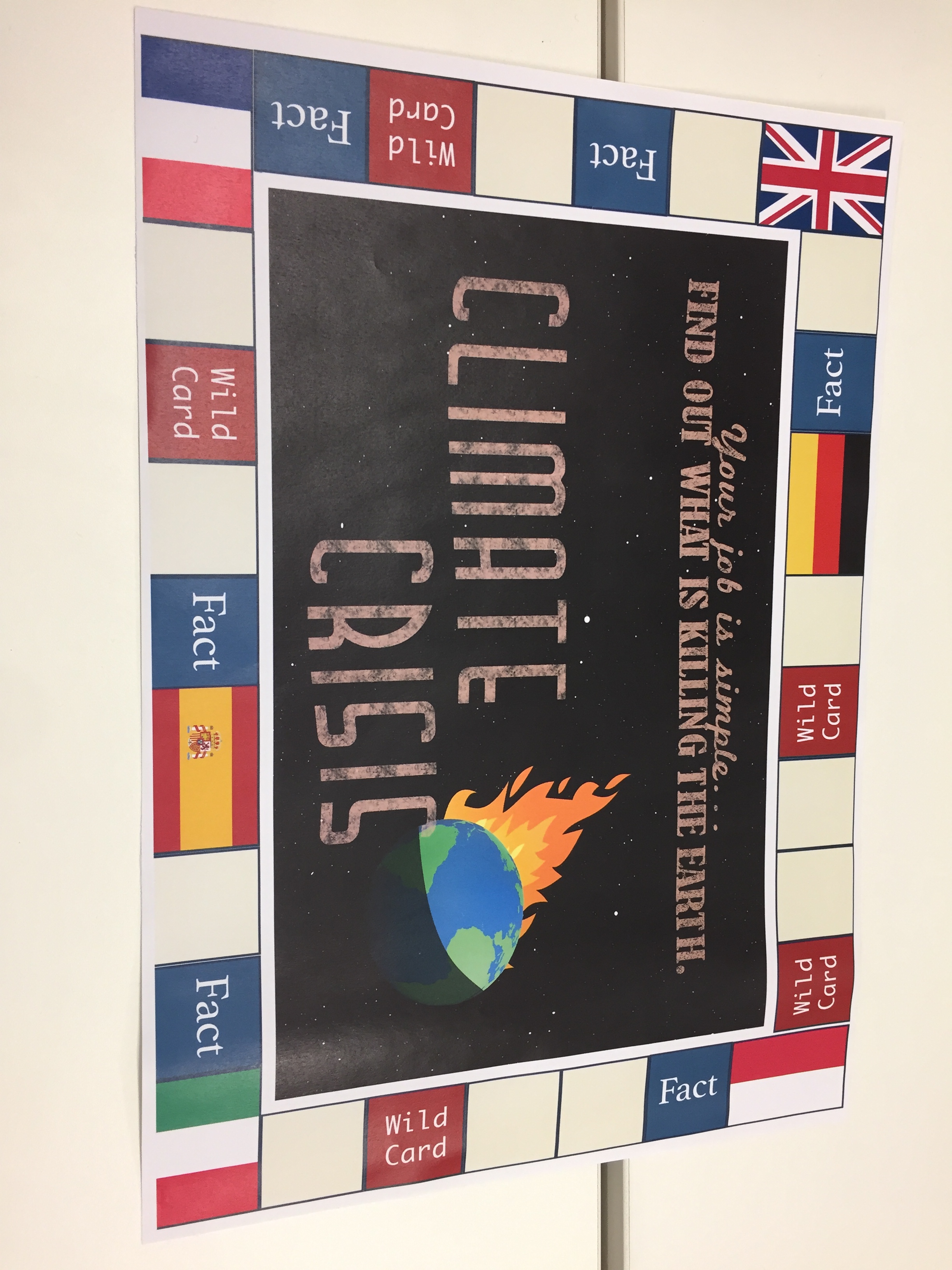
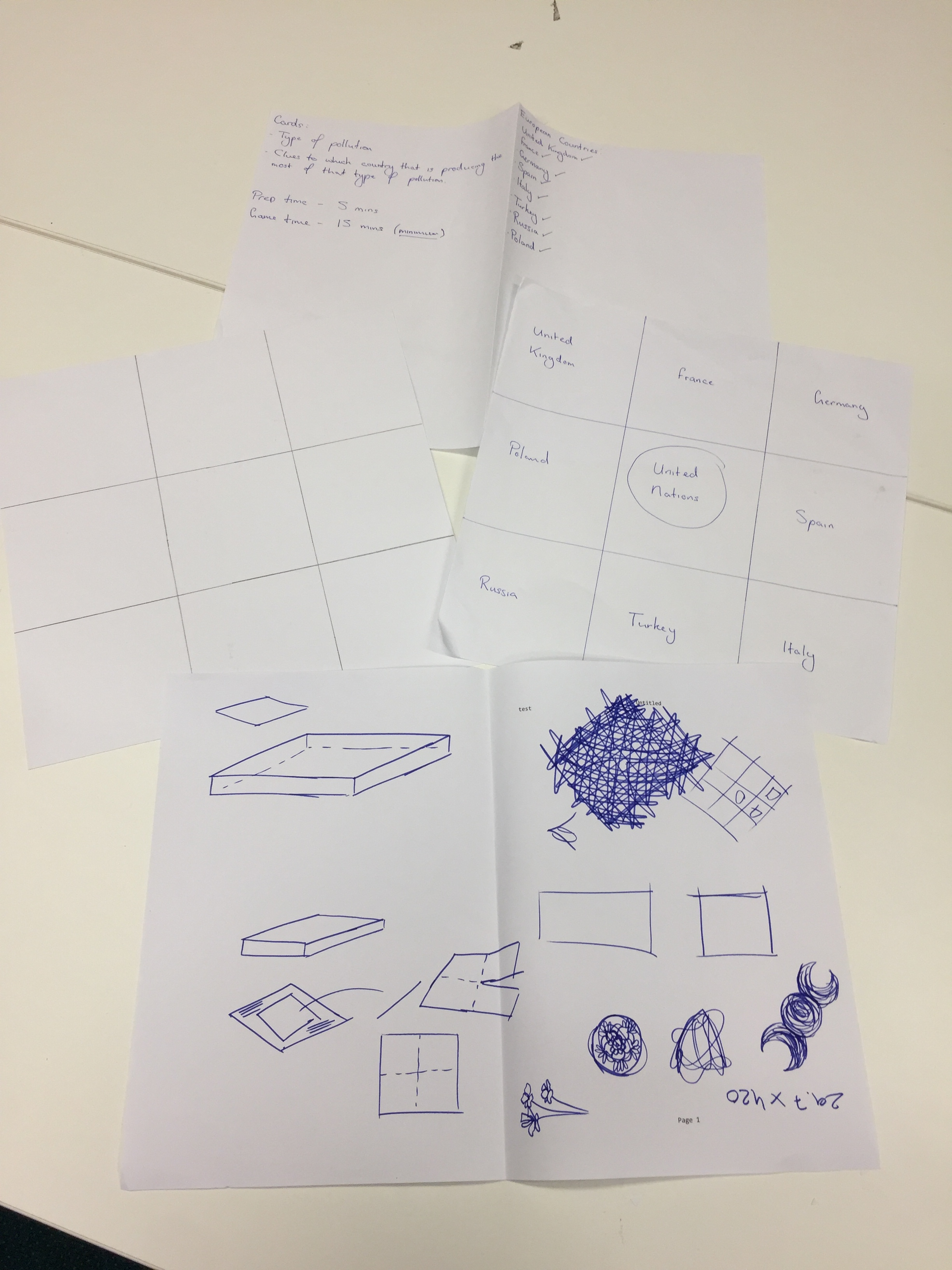
Here are some pictures of our physical products (i.e. our game-board and game box). There are also some pictures of our initial ideas for the game-board as well as what we came out with in the end. Overall we are very happy with what we have achieved with our game and everything that goes along with it and we hope others are happy with our work as well!
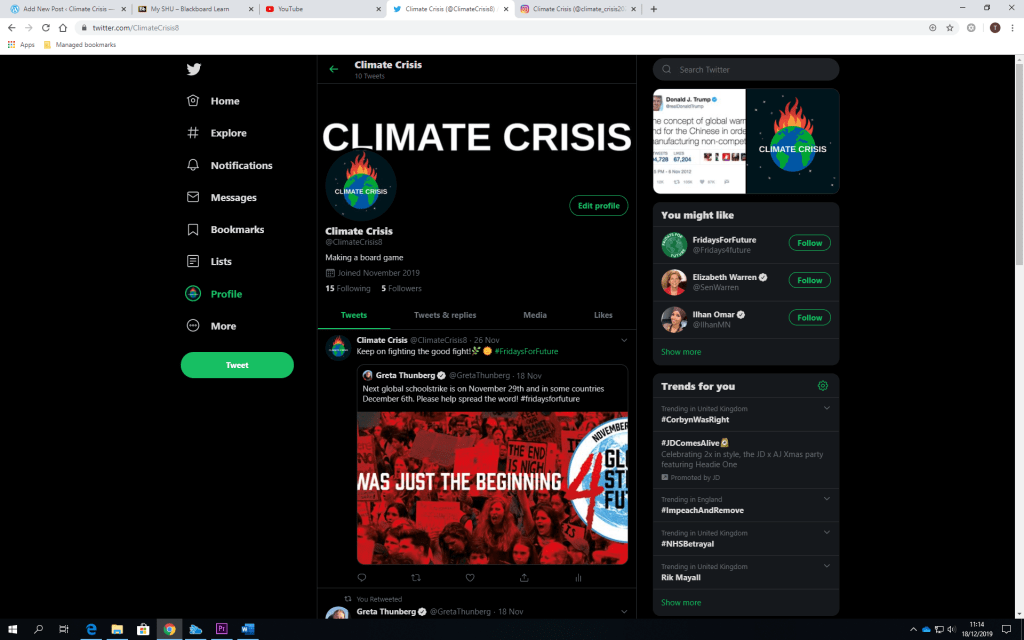
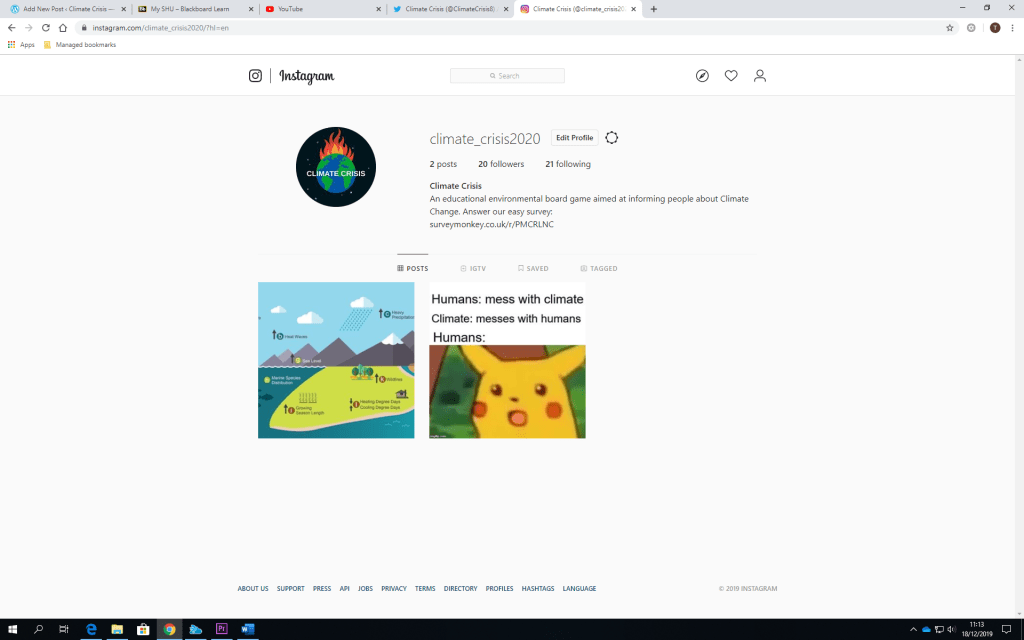
To help with promoting our board game we created a couple of social media pages through Twitter and Instagram. By doing this we have been able to reach a wider audience that will hopefully take interest in our game. Our preferred target audience is that of secondary school kids, around the age of 15 and over. The reason for this is that we feel they are at a point in their educational lives that they would both pay a lot of attention to social media as well as paying attention to the issues the game covers.
To go along with our board game we also created a survey through Survey Monkey in order for us to better understand the kind of people that play and interact with board games. From our results of our survey we found out that the majority of the people who responded are Male, between the ages of 16 and over. The results also show what percentage of people felt the message of the game connected with them which was around 81% of people. Overall we are very happy to see the results and to see who out their is interested in board games!
Climate Crisis is the name of our brand-new board game which focuses on the very important issue of climate change. Our very talented group has come up with an idea for a board game that not only focuses on the dangers that come from climate change but sends a message that we all can do something about it.
Our design process was long and extensive; this includes everything from designing the rules of the game to designing the board itself and the box art for the game. Other things to design include anything from; game cards to counters to play with.
We also made all-original promotional material; a poster, radio advert and video advert in order to advertise our board game. Each member of our team gladly did solo jobs, like designing a logo for our game using Photoshop and designing a set of five postcards to promote the game.
All our hard work that we have had a hand in completing will be ready to play by 2020 – we hope you are as excited as we are to play the final product and learn all about the dangers of climate change and what we can do as a community to fix it.
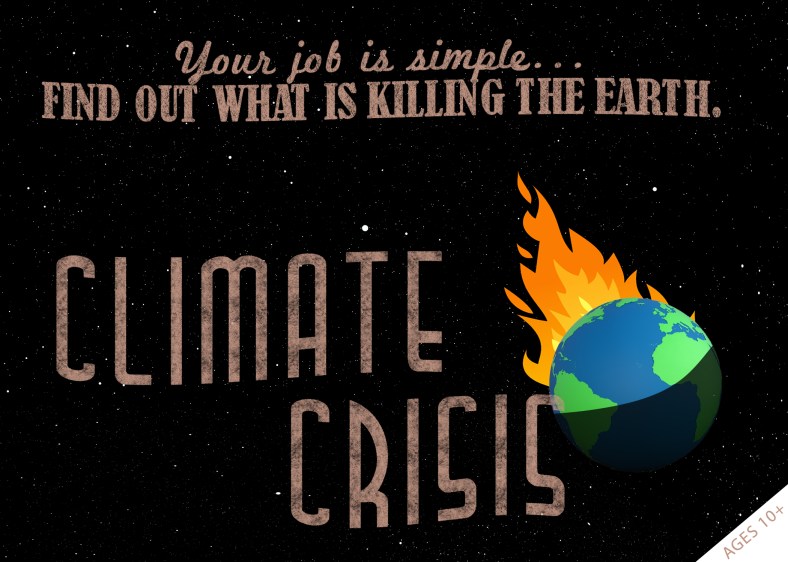
Below is our poster advert for our board game. We kept with the same idea we had for the logo, with the picture of the Earth on fire as that sends a very strong message that the planet is in real danger and that we need to do something about it. Our slogan for the poster: “Your job is simple… Find out what is killing the Earth” was used to highlight the purpose of the game, which is to help educate people on how and why the Earth is being polluted. We hoped that people would go away after playing the game with a better knowledge of climate change so that they can help reduce the amount of pollution they contribute to the planet.
For this module we have been tasked with coming up with an idea for a brand new Board Game on the theme of Climate Change. It can be any kind of board game we want but it has to be Climate Change related. To get us started in our groups we had to come up with an idea for a game. We all came up with an idea each and pitched it to the group to see what everyone thought. After this we all agreed on which idea we thought was the best to go with and moved forward with this idea together. Our classes since have consisted of us; gathering some initial research on Climate Change so as to help us when developing our idea for our game, drafting out our idea for the game onto paper to get a rough idea of what we wanted it to look like as well as sketching a firmer idea out. We managed to come up with the name Climate Crisis for our game.
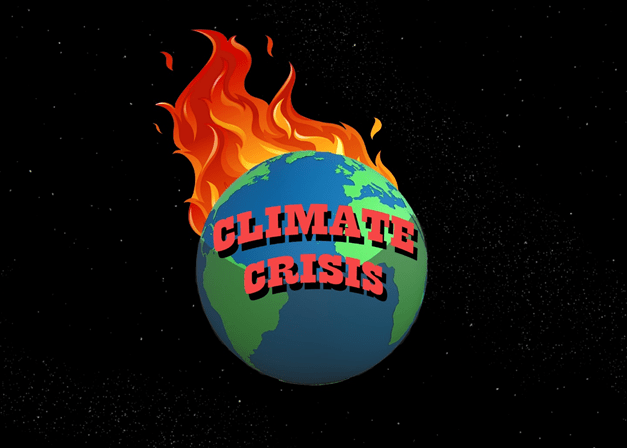
Above is the initial idea we came up with for our Logo of our Board Game. We wanted to generate the feeling within people that the world is on fire because of Climate Change and pollution. The way we best sort to do this was by having an image of the Earth with giant flames coming off of it as this best demonstrates the seriousness and magnitude of the situation.
This first week of the new module mainly consisted of us forming our new groups and getting to know each other. We also covered the briefing for the module so that all the groups knew what it was that we needed to be doing. We also spent some time playing and analysing existing games.
Week Two:
In the second week we developed our first paper drafts for our board games and looked at the impact Social Media can have on people. We delved into how it can help promote things such as how it would help with promoting our games and how to use it in a positive manner.
Week Three:
The starting point for this week was to make our Social Media sites for our games in order to promote them properly. We made both Twitter and Instagram accounts so that we can share different types of content on each. The next thing we had to do was to set up our blog site for our board game so that we can upload all the work we do for marking, not to mention we setup a Trello site to help us organise what needs to be done by who and when.
Week Four:
The next step was driven towards making our surveys for feedback about board games. This was a useful way to engage with other people and find out who plays board games and why they do so. In addition to this, one of our workshops was tailored to teaching us the basic skills of Photoshop so that we can make/design a poster (physical advert) for our game.
Week 5:
This weeks lecture consisted of us learning about Adobe Audition for our Radio advert. The lesson was spent going over the basic layout of audition so that we know what to expect as well as listening to some examples of radio adverts. As well as this, we spent around 10 minutes or so just coming up with some first basic ideas for the advert we are tasked to make.
Week 6:
In week six we gained some feedback from our formative assessment that helped keep us heading in the right direction with our blogs. Not only that but we also began working on our radio adverts. Our group very quickly came up with an idea for our advert and how we wanted it to sound, so much so, we managed to get all of our audio recorded, our sound effects gathered and the whole advert put together within both of week sixes workshops.
Week 7:
Heading into week seven meant it was time to make a start on our video adverts. Just like our radio advert we had an idea put together very quick. Iwan did a great job spear heading the video advert by; writing the script, story boarding and directing the video. We shot our video over both the workshops we had and managed to get all the filming we needed done within that time. We spent the remainder of the last workshop making a start on the editing of the video and then spent some time outside of lesson finishing it off. We are all very happy with how the advert turned out and believe that we’ve put across the message we wanted to send out.




 Climate Crisis